
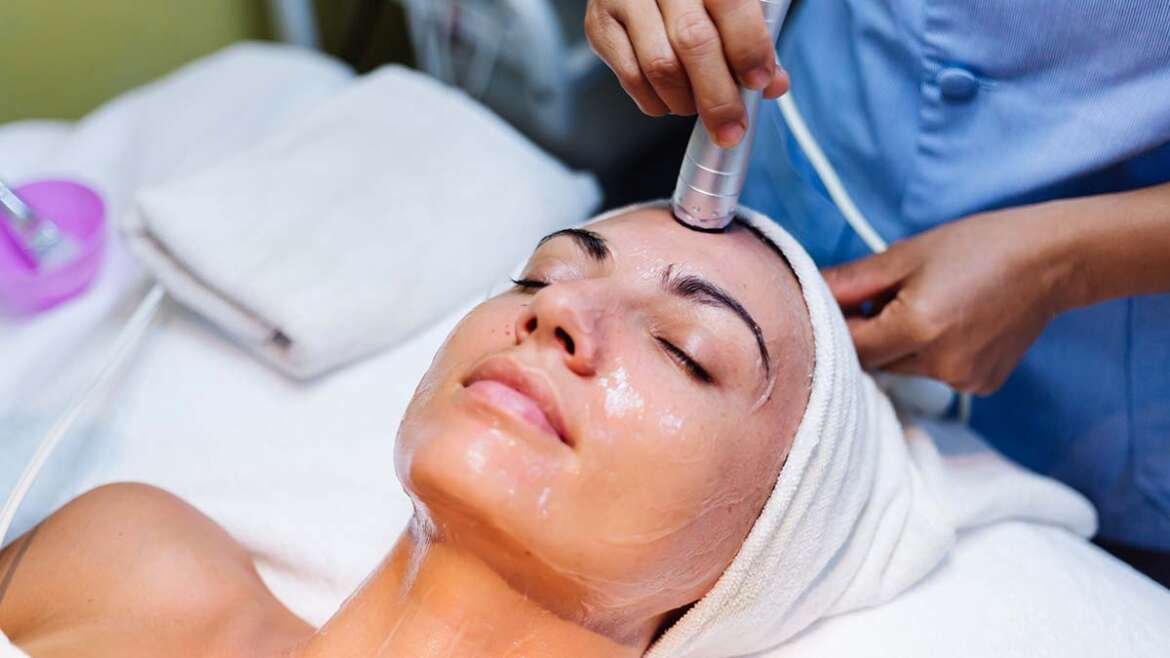
It usually starts the same way. A breakout shows up before an event, a dark patch appears on the cheek, or the skin looks dull for no clear reason. The first response, for most of us, is to reach into the kitchen — a dab of toothpaste, a pinch of turmeric, a slice of lemon. It feels safe, simple, and free.
And sometimes, that is enough. Most skin concerns sit on a spectrum. Some respond well to gentle, consistent home care. Others sit deeper than any home remedy can reach, and need a trained eye and proper tools. The real skill is knowing which is which.
That difference is what Dr. Abhinav Singh, Medical Aesthetician and Cosmetologist, works on every day at his clinic in Dwarka. With 7+ years of experience, his approach is simple: look first, then plan. Assessment before action, not guesswork.
This article walks through that thinking. Why home remedies stay so popular and where they genuinely help, where they quietly stop working, how doctor-led skin care actually works, and how to know when it is time to see a specialist.
Why Home Remedies Remain Popular
Home remedies have stayed part of skincare for generations, and the reason is not complicated. They are easy to reach, cost almost nothing, and feel gentle. For everyday skin, that is often a fair place to begin.
Easy, Affordable, Always Available
The biggest pull is access. The ingredients are already at home, there is no appointment to book, and there is no bill to pay. For common concerns like mild acne, early pigmentation, tanning, or dull-looking skin, a home remedy becomes the natural first step. It is low effort and feels low risk, which is exactly why so many people try it before anything else.
What Home Care Can Genuinely Help With
Used sensibly, home care does have a place. It can support the skin in small, steady ways:
- Temporary hydration and a soothing, calming effect.
- Mild day-to-day maintenance for otherwise healthy skin.
- Supporting a routine that is already working, rather than fixing a problem.
The honest part matters here. These effects are real but limited. Results tend to be slow and uneven, and they depend heavily on your skin type. What soothes one person can irritate another.
So home remedies stay popular for good reason — but popular does not always mean enough. There is a ceiling, and the next section is where most people quietly hit it.
When Home Remedies Stop Working
Some skin concerns do not live on the surface. They sit in deeper layers, where a kitchen ingredient simply cannot reach, no matter how regularly it is used. This is the point where many people feel stuck — doing everything “right” at home, but seeing little change.
Concerns That Need More Than DIY
A few concerns rarely respond to home treatment alone:
- Persistent acne that keeps coming back month after month.
- Acne scars left behind once the breakouts settle.
- Melasma and stubborn pigmentation that fades and returns.
- Enlarged pores and uneven skin texture.
- Fine lines and early signs of ageing.
Why These Don’t Respond to Home Care
The common thread is depth. These concerns involve the deeper layers of the skin — how it produces pigment, how it heals, how it renews itself. Addressing them safely needs controlled, professional methods that work at the right level without damaging the skin around them. That kind of precision is not something a home remedy is built for.
When home care has run its course, it is not a failure. It simply marks the natural turning point toward doctor-led care.
How Professional Skin Treatments Work
The real difference with professional care is not just stronger products. It is the order of things. Professional skin care starts with understanding the skin in front of it, then builds a plan around that — instead of applying the same fix to everyone.
Assessment First, Then a Plan
Every plan begins with a proper, doctor-led skin assessment. The skin is examined for its type, its concerns, and what is driving them. Only then is a treatment plan built — personalised to that individual rather than copied from a general routine. This is the assessment-first thinking that separates considered care from trial and error.
The Treatments Behind the Results
Once the concern is clear, the right tools can be matched to it. Depending on the case, these may include:
- Chemical peels.
- Medi-facials.
- Microneedling.
- Laser treatments.
- Medical-grade skincare.
What ties these together is supervision. Each is carried out and monitored by a trained professional, which is what makes them effective and keeps them safe — the one thing no home routine can offer. It is worth being honest too: outcomes vary from patient to patient, and no result is guaranteed.
When Should You Consult a Skin Specialist?
The rule of thumb is simple. If a concern keeps returning, refuses to settle, or starts affecting how you feel about yourself, it is time for an expert eye rather than another home experiment.
When should you see a skin specialist?
See a skin specialist when acne lasts more than a few months, pigmentation keeps returning, scarring is visible, or early ageing concerns appear — especially if home care has stopped working or the issue is affecting your confidence.
In practice, these are the signals worth paying attention to:
- Acne that has lasted more than a few months.
- Pigmentation that keeps coming back.
- Visible scarring.
- Premature signs of ageing.
- Skin concerns that are affecting your confidence.
Seeing a specialist is not a commitment to a long list of treatments. It is a step toward clarity — understanding what is actually happening with your skin and what your options really are.
The Bottom Line
Home remedies are not the enemy. Used well, they can support healthy skin and keep a good routine ticking along. What they cannot do is replace evidence-based treatment for concerns that persist, sit deep, or keep returning.
That is where doctor-led, personalised care earns its place — a plan built around your skin and your goals, not around a single product or a one-size remedy.
If a skin concern has been holding on longer than it should, the most useful next step is a proper conversation with someone who can assess it first. At Dermadent in Dwarka, that is exactly where skin care begins — with understanding, before anything else.