
dermadent.as@gmail.com

A-175, Block A, Sector 8 Dwarka, New Delhi, 110077

+91-9818787646

Acne Scar Treatment: Types, Causes, and What Actually Works

Indian woman with visible acne scars and post-acne skin marks

For many people, the hardest part of acne is not the acne itself. It is what it leaves behind. The breakouts finally settle, but the marks and dents stay on, and it can feel like they are there for good. The good news is that this is rarely the full picture.

This is where acne scar treatment comes in. But it begins with one distinction that changes everything: not every mark left by acne is a true scar. Some are a change in the skin’s texture, and some are only a change in its colour. Knowing which is which is the first real step.

At Dérmadent in Dwarka, Dr. Abhinav Singh, a Dental Surgeon and Medical Aesthetician & Cosmetologist with over 7 years of experience, approaches scarring by first identifying what kind of mark it actually is. The right treatment follows from the right diagnosis, not the other way around.

In this article, we will look at why acne leaves marks behind, the different types of acne scars, how they differ from pigmentation, what professional treatment actually does, and what genuinely works to improve them over time.

Why Acne Leaves Scars and Marks Behind

Acne is a form of inflammation. When a breakout stays on the surface, the skin usually recovers cleanly. But when inflammation reaches deeper, healing does not always restore the surface evenly, and that is when marks are left behind.

How Deep Acne Damages the Skin

Deeper, inflamed breakouts such as cysts and nodules disturb the collagen and structure beneath the skin. As the skin repairs itself, it may lay down too little or too much tissue, leaving a dip or a raised patch. Picking or squeezing pushes that inflammation deeper and damages more tissue, which is why it makes lasting marks far more likely.

Scars Are Not the Same as Marks

This is the distinction that matters most. A true scar is a change in texture — a dent, a pit, or a raised area you can feel, not just see. A post-acne pigmentation mark is a change in colour — a red or brown patch where the skin surface underneath is smooth and even. They look similar at a glance, but they are not the same problem.

This difference is not cosmetic hair-splitting. It decides which treatment is right, which is exactly why knowing the types matters before anything else.

The Different Types of Acne Scars

Acne scars fall into a few recognisable types, and identifying yours is the first real step toward treating them. Most people have one main type, though mixed scarring is common too.

Textural Scars

These are the scars you can feel, not just see, because they change the surface of the skin. They tend to need professional treatment to improve. The main kinds are:

  • Ice-pick scars — small, deep, narrow pits that look like tiny puncture marks
  • Boxcar scars — wider depressions with clearly defined edges
  • Rolling scars — shallow, wave-like dips that give the skin an uneven look
  • Raised scars — thickened tissue that sits above the surrounding skin

Post-Acne Pigmentation Marks

These are flat, colour-only marks that people very often mistake for scars. The skin’s texture is normal; only its colour has changed. They are especially common and can be stubborn in Indian skin. The main kinds are:

  • Red or pink marks — usually recent, and tend to fade slowly on their own
  • Brown or dark marks — more common in Indian skin, and can linger for months
  • Smooth to the touch — the surface is even, so only the colour needs treating

Once the type is clear, the right treatment becomes far easier to choose — which is where professional care comes in.

Professional Acne Scar Treatments

Professional treatments are matched to the scar type rather than applied one-size-fits-all. This is the single biggest reason results differ so much between one approach and another. A treatment that works well for pigmentation may do little for a deep textural scar, and vice versa.

Why Home Remedies Often Fall Short

Over-the-counter creams and home fixes are not useless. They can help surface pigmentation fade gradually over time. But they cannot remodel textural scars that sit deeper in the skin, because those need the collagen underneath to be rebuilt. Professional treatment works at that deeper level — resurfacing the skin, stimulating new collagen, or targeting stubborn pigment — which is why it reaches problems home care simply cannot.

Which treatment is best for acne scars?

The best treatment depends on the scar type. Textural scars usually need professional resurfacing or collagen-stimulating procedures, while pigmentation marks respond better to peels and targeted care. A proper assessment decides the right approach for your skin.

Because the right choice hinges on the type of scar, a professional assessment matters far more than any single trending treatment.

What Actually Works for Lasting Results

Real improvement rarely comes from one quick fix. It comes from matching the treatment to the scar, addressing pigmentation early, and giving the skin realistic time to respond. These are the principles that make the difference.

  • Match the Treatment to the Scar: Textural scars and colour marks need different approaches, so the right diagnosis always comes before any procedure.
  • Address Pigmentation Early: Newer marks respond better than older, settled ones, so acting sooner usually means a shorter road.
  • Give Skin Realistic Time: Collagen rebuilds gradually, so meaningful change shows over weeks and sessions, not overnight.
  • Combine Approaches Where Needed: Mixed scarring often needs more than one method working together, planned in a sensible sequence.
  • Choose Guidance Over Guesswork: A professional assessment prevents wasted time and money on treatments that were never suited to your scars.

Dr. Abhinav sees patients for acne and acne-scar concerns in Dwarka, and keeps it honest: results vary from person to person, and there are no guarantees.

Conclusion

Acne scars are not all the same, and that is the most useful thing to know. Whether you are dealing with a change in texture or a change in colour decides what will actually help — and treating them as one single problem is why so many people struggle to see progress.

Clearing scars is a considered process, built on the right diagnosis and steady consistency, not a single miracle session. When the treatment fits the scar and you give it time, improvement follows far more reliably.

If post-acne marks or scarring have been bothering you, consider starting with a proper skin assessment at Dérmadent in Dwarka — a clear first step toward knowing what will genuinely work for your skin.

Frequently Asked Questions

Can acne scars go away on their own?

Post-acne pigmentation marks often fade slowly over time, especially newer red or pink ones. True textural scars — the dips and raised areas — usually need professional treatment to improve meaningfully, as the skin cannot rebuild that structure on its own.

How long does acne scar treatment take to show results?

It varies by scar type and skin. Most people see gradual change over several weeks to months, often across multiple sessions, because collagen rebuilds and pigment fades slowly rather than all at once.

Is acne scar treatment painful?

Most procedures involve mild, manageable discomfort rather than real pain. The exact sensation depends on the treatment used, and what to expect is always discussed with you beforehand.


Sensitive Teeth: Why Your Teeth Hurt and How to Fix It

Woman experiencing sensitive teeth after drinking a glass of cold water.

For most of us, the first sign is a sudden jolt — a sip of cold water or a bite of ice cream sends a sharp sting shooting through a tooth. It fades in a second, so it is easy to shrug off. But that flinch is a signal, not a quirk, and it usually has a cause worth understanding.

This is tooth sensitivity, and in plain terms it happens when the protective layers of a tooth wear thin or the gum pulls back, exposing what lies beneath. It is common, it is manageable, and it is rarely random. Something is letting everyday triggers reach the nerve, and the discomfort is your tooth reacting to it.

At Dérmadent, Dr. Abhinav Singh, a Dental Surgeon with over 7 years of experience, treats sensitivity by finding the underlying cause rather than masking the pain. The aim is not to numb the symptom for a day, but to work out why the tooth is reacting and address that directly.

In this article, we will look at why teeth turn sensitive, what triggers the pain, how it is treated both in-clinic and at home, and how to stop it coming back.

Why Teeth Become Sensitive

Sensitivity is not really the tooth itself hurting. It is the exposed inner layer reacting to a trigger. Enamel and gums act as a protective barrier, and sensitivity is what happens when that barrier thins and the layer underneath is left uncovered.

What’s Happening Inside a Sensitive Tooth

It helps to picture a tooth as layers. On the outside is hard enamel. Beneath it sits a softer layer called dentine, and dentine is threaded with thousands of tiny channels that lead straight to the nerve. While enamel and gum cover these channels, the nerve stays protected. But when enamel wears down or the gum recedes, those channels are exposed. Hot, cold, and sweet then travel down them and reach the nerve directly, which is the sharp sensation you feel.

Common Causes of Tooth Sensitivity

The barrier breaks down for everyday reasons. Brushing too hard wears enamel and pushes gums back. Acidic foods and drinks soften enamel over time. Grinding or clenching gradually thins the biting surface. Gum recession, a cracked tooth, or a worn filling can each expose sensitive areas too. It is also worth knowing that a cavity or a gum problem can show up as sensitivity, which is exactly why the cause matters more than a quick fix.

Sensitivity, then, is a symptom with several possible sources. That is why knowing your own triggers, which we look at next, is the first step to sorting it out.

Signs and Triggers You Shouldn’t Ignore

Sensitivity usually shows up as a brief, sharp pain tied to specific triggers. Noticing the pattern early helps you catch the cause while it is still simple to treat, rather than waiting for it to settle into something bigger.

When the Pain Shows Up

A quick way to check is to notice exactly when the twinge appears. For most people it strikes in familiar moments:

  • Cold drinks or ice cream
  • Hot tea or coffee
  • Sweet or acidic foods
  • Cold air on the teeth

Warning Signs Worth a Check

Some signals point to something beyond everyday sensitivity and deserve a dentist’s look. These are reasons to get checked, not reasons to worry:

  • Pain that lingers rather than passing quickly
  • Sensitivity in one specific tooth
  • Discomfort alongside visible gum recession

Persistent or one-sided sensitivity is a cue to see a dentist. That leads into what professional treatment actually involves.

How Sensitive Teeth Are Treated

Treatment starts with finding the cause, then matching it to the right fix — from mild at-home care to professional options for more stubborn sensitivity.

  • Home care first: A soft brush, desensitising toothpaste, and easing off acidic foods settle mild, everyday sensitivity.
  • In-clinic options: Fluoride application or sealing exposed surfaces strengthens the tooth where home care cannot reach.
  • Treating the cause: When gum recession, a crack, or a cavity is behind it, addressing that directly is what lasts.

How can I stop my teeth being sensitive?

Switch to a soft brush and desensitising toothpaste, ease off acidic foods, and avoid brushing too hard. If sensitivity lingers or worsens, see a dentist to treat the underlying cause rather than just the pain.

Professional assessment is the step that turns temporary relief into a lasting fix. With the cause identified, the next question is how to keep it from returning.

How to Prevent Sensitive Teeth

Most sensitivity is preventable by protecting enamel and gums day to day. A few small habit changes keep the barrier intact and the pain away.

  • Brush Gently: A soft-bristled brush and a light hand clean effectively without wearing enamel or pushing the gums back.
  • Watch Acidic Foods: Citrus, fizzy drinks, and wine soften enamel — rinse with water after, and wait a little before brushing.
  • Address Grinding: Clenching or grinding wears teeth down over time; a night guard protects them if this is the cause.
  • Keep Up Routine Checks: Regular visits catch early enamel wear, recession, or a small cavity before it turns into sharp pain.
  • Treat the Cause, Not Just the Symptom: Reaching for sensitivity toothpaste helps, but a lasting fix means addressing whatever is exposing the nerve.

If sensitivity is frequent, one-sided, or lingering, it is worth booking a check. Dr. Abhinav sees patients for sensitivity, and keeps it honest: causes and outcomes vary from person to person, and there are no guarantees.

Conclusion

Sensitive teeth come down to one thing — the tooth’s inner layer reacting through worn enamel or receded gums. It is uncomfortable, but it usually has a cause that can be found and treated.

Prevention is mostly everyday habit. Gentle brushing, kinder food choices, and routine checks keep the protective barrier intact and stop small issues from turning sharp.

If cold sips and sweet bites have started catching you off guard, it is worth having the cause looked at properly — a small step now that can spare you the sting for good.

Frequently Asked Questions

Does tooth sensitivity go away on its own?

Mild sensitivity from a one-off, like a very cold drink, can settle by itself. But sensitivity that persists usually points to a cause worth checking, rather than something that will simply fade.

Is sensitive toothpaste enough to fix sensitive teeth?

It can ease the symptoms and is a good first step, but it manages sensitivity rather than curing it. A lasting fix depends on the underlying reason the nerve is exposed.

Can sensitive teeth be a sign of something serious?

Often it is minor and easily managed. But persistent or sharp pain in one specific tooth can signal a cavity, a crack, or a gum issue, and that is worth a dentist’s look.

Understanding Hair Loss: Causes, Treatments, and When to Seek Help

Man checking early hair thinning and receding hairline in mirror.

Most people don’t notice hair loss until they spot a wider parting in the mirror or more strands on the pillow. By then, the thinning has often been building quietly for months. Hair loss usually starts long before it becomes easy to see.

Hair fall isn’t random, and it isn’t something you simply have to live with. It has clear causes and clear treatment paths. Understanding what is driving it is the first step toward doing something about it.

At Dermadent in Dwarka, Dr. Abhinav Singh — Dental Surgeon and Medical Aesthetician & Cosmetologist with 7+ years of experience — takes a cause-first approach. Rather than treating hair fall blindly, the focus stays on understanding why it is happening.

This article walks through why hair loss happens, how to tell temporary shedding from progressive loss, what treatment options exist, and when it’s worth seeing a specialist.

Common Causes of Hair Loss in Men and Women

Hair loss is rarely down to chance. In most cases, it traces back to a clear cause. Knowing that cause is what makes any treatment meaningful, rather than guesswork.

Genetics and Hormonal Causes

The most common reason for hair thinning, in both men and women, is hereditary. If hair loss runs in your family, you may be more likely to experience it. Hormonal changes — during pregnancy, after childbirth, around menopause, or due to thyroid issues — can also trigger noticeable shedding. These patterns often develop slowly, which is why they are easy to miss early on.

Stress, Nutrition, and Health

Beyond genetics and hormones, everyday factors play a big role. Ongoing stress can push more hair into a resting, shedding phase. Low iron, protein, or vitamin levels weaken hair from the root. Certain medical conditions and medications can speed up hair fall too. Often, more than one of these works together.

Because these causes build quietly, it helps to know the difference between hair that is shedding for a short while and hair that is steadily thinning — which is where the next section comes in.

Temporary Hair Fall vs Progressive Hair Loss

Not all hair fall is the same. Losing some hair for a few weeks is very different from steady loss that continues month after month. Telling them apart helps you judge how seriously to take it.

Temporary Shedding

Some hair fall settles on its own once the trigger passes. It is usually short-lived and tied to something specific. Common examples include:

  • Seasonal shedding that comes and goes
  • Increased fall after an illness, fever, or a stressful period
  • Short-term loss linked to a recent change in health or routine

In these cases, hair often recovers as the body returns to normal.

Progressive Hair Loss

Other times, hair loss follows a pattern that keeps advancing. These signs are worth paying attention to:

  • A hairline that is slowly receding
  • A crown that is becoming visibly thinner
  • Loss that continues steadily over several months

This kind of loss rarely reverses on its own, so noticing it early matters.

If you are seeing the progressive signs above, it is a cue to get assessed rather than wait — which leads into what treatment actually involves.

Hair Loss Treatment Options Explained

Hair loss treatment isn’t a single fix. It is a plan matched to the cause and the stage of loss, and acting early usually keeps more options open. A professional hair fall treatment begins with understanding what is driving your hair loss.

Why Home Remedies Aren’t Enough

Oils, home remedies, and over-the-counter products are easy to reach for, but they rarely address the real cause. A proper assessment looks at your scalp, your history, and the pattern of loss. From there, options may include medical treatments, PRP, or growth-factor therapies — each designed to support hair in a different way. What suits you depends on your diagnosis.

How long does hair loss treatment take?

Most hair loss treatments show gradual improvement over a few months, depending on the cause, the stage, and how consistent you are. A specialist sets a realistic timeline after assessing your scalp, since results vary from person to person.

Starting early is the simplest way to protect the hair you still have. If you are unsure whether it is time, the next section helps.

When to See a Hair Specialist

Professional help is worth it when hair fall is steady, visible, or progressing. Seeing a specialist early usually keeps treatment simpler and more effective. Watch for these signs:

  • Excessive Daily Shedding: noticeably more hair than usual coming out every day, over several weeks.
  • A Receding or Changing Hairline: early shifts at the temples or front are easier to act on sooner.
  • A Thinning Crown: gradual thinning at the top that you or others begin to notice.
  • Sudden or Patchy Loss: rapid or uneven loss that needs a proper look.
  • Uncertainty About the Cause: when you don’t know why it is happening, a diagnosis brings clarity.

The earlier you act, the more you can usually do. At Dermadent, Dr. Abhinav offers hair loss treatment in Dwarka with an honest, individual assessment — outcomes vary from person to person, and there are no guarantees.

Conclusion

Hair loss has real, identifiable causes, and acting early is far easier than trying to recover hair after it is gone.

The right approach treats hair loss as a guided plan matched to the cause — not a cycle of products and home remedies. The sooner you understand what is happening, the better your options.

If you have noticed steady thinning or hair fall, consider starting with a professional hair assessment to understand your cause and your next step.

Professional Skin Treatments vs Home Remedies: What Actually Works?

Woman receiving professional skin treatment during a clinical facial procedure.

It usually starts the same way. A breakout shows up before an event, a dark patch appears on the cheek, or the skin looks dull for no clear reason. The first response, for most of us, is to reach into the kitchen — a dab of toothpaste, a pinch of turmeric, a slice of lemon. It feels safe, simple, and free.

And sometimes, that is enough. Most skin concerns sit on a spectrum. Some respond well to gentle, consistent home care. Others sit deeper than any home remedy can reach, and need a trained eye and proper tools. The real skill is knowing which is which.

That difference is what Dr. Abhinav Singh, Medical Aesthetician and Cosmetologist, works on every day at his clinic in Dwarka. With 7+ years of experience, his approach is simple: look first, then plan. Assessment before action, not guesswork.

This article walks through that thinking. Why home remedies stay so popular and where they genuinely help, where they quietly stop working, how doctor-led skin care actually works, and how to know when it is time to see a specialist.

Why Home Remedies Remain Popular

Home remedies have stayed part of skincare for generations, and the reason is not complicated. They are easy to reach, cost almost nothing, and feel gentle. For everyday skin, that is often a fair place to begin.

Easy, Affordable, Always Available

The biggest pull is access. The ingredients are already at home, there is no appointment to book, and there is no bill to pay. For common concerns like mild acne, early pigmentation, tanning, or dull-looking skin, a home remedy becomes the natural first step. It is low effort and feels low risk, which is exactly why so many people try it before anything else.

What Home Care Can Genuinely Help With

Used sensibly, home care does have a place. It can support the skin in small, steady ways:

  • Temporary hydration and a soothing, calming effect.
  • Mild day-to-day maintenance for otherwise healthy skin.
  • Supporting a routine that is already working, rather than fixing a problem.

The honest part matters here. These effects are real but limited. Results tend to be slow and uneven, and they depend heavily on your skin type. What soothes one person can irritate another.

So home remedies stay popular for good reason — but popular does not always mean enough. There is a ceiling, and the next section is where most people quietly hit it.

When Home Remedies Stop Working

Some skin concerns do not live on the surface. They sit in deeper layers, where a kitchen ingredient simply cannot reach, no matter how regularly it is used. This is the point where many people feel stuck — doing everything “right” at home, but seeing little change.

Concerns That Need More Than DIY

A few concerns rarely respond to home treatment alone:

  • Persistent acne that keeps coming back month after month.
  • Acne scars left behind once the breakouts settle.
  • Melasma and stubborn pigmentation that fades and returns.
  • Enlarged pores and uneven skin texture.
  • Fine lines and early signs of ageing.

Why These Don’t Respond to Home Care

The common thread is depth. These concerns involve the deeper layers of the skin — how it produces pigment, how it heals, how it renews itself. Addressing them safely needs controlled, professional methods that work at the right level without damaging the skin around them. That kind of precision is not something a home remedy is built for.

When home care has run its course, it is not a failure. It simply marks the natural turning point toward doctor-led care.

How Professional Skin Treatments Work

The real difference with professional care is not just stronger products. It is the order of things. Professional skin care starts with understanding the skin in front of it, then builds a plan around that — instead of applying the same fix to everyone.

Assessment First, Then a Plan

Every plan begins with a proper, doctor-led skin assessment. The skin is examined for its type, its concerns, and what is driving them. Only then is a treatment plan built — personalised to that individual rather than copied from a general routine. This is the assessment-first thinking that separates considered care from trial and error.

The Treatments Behind the Results

Once the concern is clear, the right tools can be matched to it. Depending on the case, these may include:

  • Chemical peels.
  • Medi-facials.
  • Microneedling.
  • Laser treatments.
  • Medical-grade skincare.

What ties these together is supervision. Each is carried out and monitored by a trained professional, which is what makes them effective and keeps them safe — the one thing no home routine can offer. It is worth being honest too: outcomes vary from patient to patient, and no result is guaranteed.

When Should You Consult a Skin Specialist?

The rule of thumb is simple. If a concern keeps returning, refuses to settle, or starts affecting how you feel about yourself, it is time for an expert eye rather than another home experiment.

When should you see a skin specialist?

See a skin specialist when acne lasts more than a few months, pigmentation keeps returning, scarring is visible, or early ageing concerns appear — especially if home care has stopped working or the issue is affecting your confidence.

In practice, these are the signals worth paying attention to:

  • Acne that has lasted more than a few months.
  • Pigmentation that keeps coming back.
  • Visible scarring.
  • Premature signs of ageing.
  • Skin concerns that are affecting your confidence.

Seeing a specialist is not a commitment to a long list of treatments. It is a step toward clarity — understanding what is actually happening with your skin and what your options really are.

The Bottom Line

Home remedies are not the enemy. Used well, they can support healthy skin and keep a good routine ticking along. What they cannot do is replace evidence-based treatment for concerns that persist, sit deep, or keep returning.

That is where doctor-led, personalised care earns its place — a plan built around your skin and your goals, not around a single product or a one-size remedy.

If a skin concern has been holding on longer than it should, the most useful next step is a proper conversation with someone who can assess it first. At Dermadent in Dwarka, that is exactly where skin care begins — with understanding, before anything else.

Healthy Gums, Healthy Smile: Why Preventive Dental Care Matters

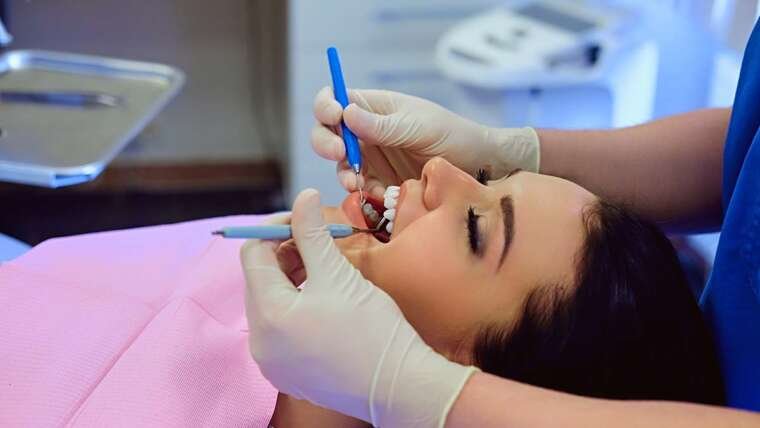
Dentist performing preventive dental checkup during routine professional teeth examination

For most of us, a dentist is someone we call only when something starts to hurt — a sharp twinge, a little bleeding, a tooth that suddenly feels sensitive. But by the time pain shows up, the trouble underneath has usually been building quietly for months. Dental problems rarely start with pain. They start long before it.

This is where preventive dental care changes things. Preventive care means looking after your teeth and gums before problems grow, not after. And it begins with one simple idea: healthy gums are the foundation of a healthy smile. A bright set of teeth means little if the gums holding them in place are quietly weakening.

At Dermadent in Dwarka, Dr. Abhinav Singh, a Dental Surgeon with over 7 years of experience, takes a prevention-first approach. Rather than waiting for a small issue to turn into a painful, costly one, the focus stays on catching things early and keeping your mouth healthy for the long run.

In this article, we will look at why gum health matters so much, the early warning signs most people miss, what a professional cleaning actually does, and the real payoff of catching problems while they are still small.

Why Gum Health Is the Foundation of a Healthy Smile

Your gums do more than frame your teeth. They hold them firmly in place. When gums weaken, even perfectly healthy teeth can become loose and unstable, which is why gum health sits at the base of everything.

The Gum–Tooth Connection

It helps to think of your gums and teeth as one system, not two separate parts. Teeth sit in the gum and bone that support them, and good oral hygiene protects both at once. This is why a smile can look bright and even on the surface and still be at risk. If the gums underneath are inflamed or pulling back, the whole structure becomes less stable over time. Healthy gums and teeth depend on each other.

How Plaque and Tartar Build Up

Every day, a soft, sticky film of bacteria called plaque forms on your teeth. Regular brushing and flossing clears most of it. But anything left behind can harden into tartar — a tougher deposit that brushing alone can no longer remove and that only a dentist can take off. As plaque and tartar build up along the gumline, they irritate the gums and can lead to early gum disease, known as gingivitis.

The tricky part is that this damage builds silently, with little to feel at first. That is exactly why the early signs in the next section are worth knowing.

Early Signs of Dental Problems You Shouldn’t Ignore

The first warnings of gum trouble are easy to miss or brush aside as normal. But noticing them early keeps treatment simple and small, and is the heart of good gum disease prevention.

Signs in Your Gums

Your gums often give the clearest clues, and a quick look in the mirror can tell you a lot. Watch for:

  • Bleeding when you brush or floss
  • Swelling, tenderness, or redness along the gumline
  • Gums that look like they are pulling back from the teeth

Signs Across Your Mouth

Other signals are easy to dismiss as everyday annoyances, but they are worth paying attention to. Keep an eye out for:

  • Persistent bad breath that does not clear with brushing
  • Sensitivity to hot or cold
  • Teeth that feel slightly loose

None of these mean you should panic. They simply mean it is worth getting checked. Any one of them is a cue to see a dentist, and often the simplest next step is a professional cleaning.

The Role of Professional Teeth Cleaning

Professional teeth cleaning removes the tartar and below-the-gum buildup that home brushing simply cannot reach. Just as importantly, the visit gives your dentist a chance to spot small issues early and, where needed, recommend gum treatment before things progress.

Why Brushing Alone Isn’t Enough

Brushing and flossing are essential, but they have limits. They clear soft plaque from the surfaces you can reach, yet they cannot remove hardened tartar or clean deep along and below the gumline. During a professional cleaning, your dentist removes that buildup, smooths the tooth surfaces, and checks the health of your gums. Most people find it quick and straightforward, and leave knowing exactly where their oral health stands.

How often should you get professional teeth cleaning?

Most dentists recommend a professional cleaning every six months to remove plaque and tartar buildup, check gum health, and catch dental concerns before they become serious.

That makes routine cleaning one of the simplest preventive habits you can keep, and it leads straight into the wider benefits of preventive care.

The Benefits of Preventive Dental Care

Preventive dental care lowers your risk, catches problems while they are still small, and helps you avoid bigger, costlier treatment later. These are the real benefits of regular dental checkups.

  • Fewer Cavities: Regular cleaning and checks remove the buildup that causes decay, so fewer teeth need fillings over time.
  • Lower Gum-Disease Risk: Catching plaque and early gum changes keeps small irritation from turning into full gum disease.
  • Early Detection: Problems are spotted while they are still minor and simple to treat, not after they have spread.
  • Stronger Long-Term Oral Health: Steady upkeep protects your teeth and gums for years, not just until the next ache.
  • Real Cost Savings: A routine checkup costs far less than the major treatment that neglect eventually forces.

As a rule of thumb, a routine check about every six months is enough for most people, sooner if any warning signs appear. Dr. Abhinav sees patients for preventive dental care in Dwarka, and keeps it honest: results vary from person to person, and there are no guarantees.

Frequently Asked Questions

Can gum disease be reversed?

In its earliest stage, known as gingivitis, gum disease can often be improved and sometimes reversed with professional cleaning and good daily care. More advanced gum disease can usually be managed and slowed, but not fully undone, which is why early attention matters.

Is professional teeth cleaning painful?

For most people, a routine cleaning is painless and feels like a thorough polish. If your gums are inflamed or sensitive, you may notice mild discomfort, but it is usually brief. Letting your dentist know beforehand helps keep you comfortable.

How long does dental scaling take?

A typical scaling and cleaning session usually takes around 30 to 45 minutes. If there is heavier tartar buildup or your gums need more attention, it may take a little longer or be split across visits.

Conclusion

Healthy gums are the foundation of a healthy smile, and looking after them early is far easier, and cheaper, than repairing damage later.

The takeaway is simple: treat preventive dental care as a habit, not a one-off. A routine check roughly every six months keeps small issues small.

If it has been a while since your last visit, consider booking a preventive checkup at Dermadent in Dwarka — a small step now that protects your smile for years to come.